
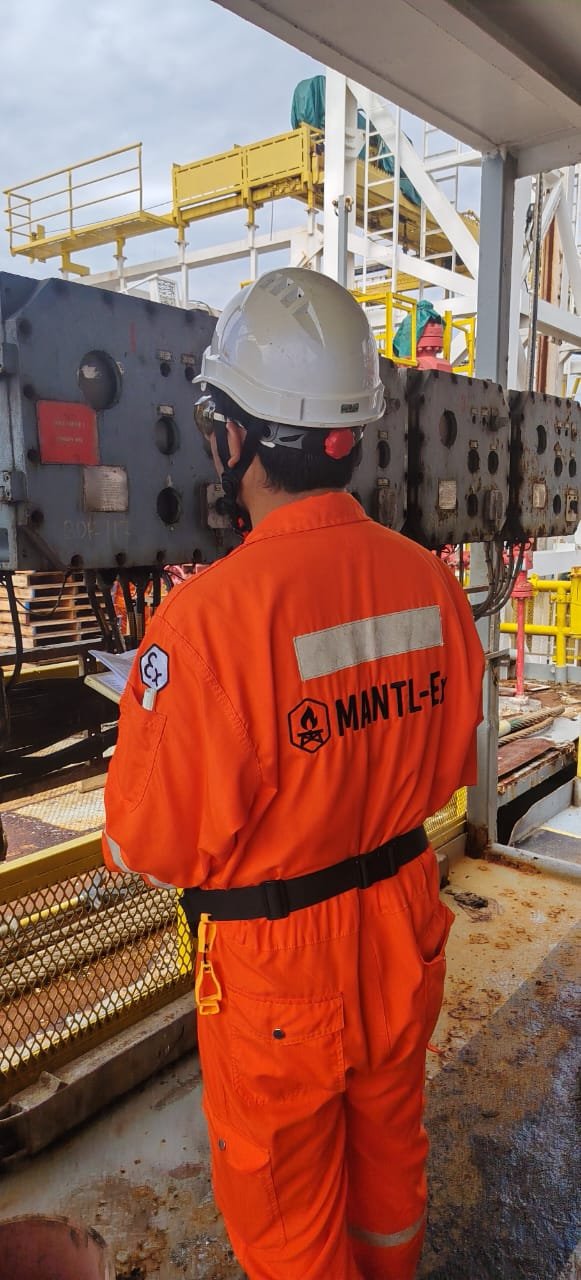
[Draft article - review and edit before publishing. Structure and headings are ready for your own field examples.]
Ask three site managers what an "Ex inspection" involves and you'll often get three different answers. That's not carelessness - it's because IEC 60079-17 deliberately defines three grades of inspection, each with a different depth, cost and purpose. Choosing the wrong grade is one of the most common compliance mistakes we see, and it cuts both ways: over-inspecting burns budget, while under-inspecting leaves ignition risks undetected and auditors unimpressed.
The three grades at a glance
- Visual inspection - identifies defects apparent to the eye without the use of access equipment or tools: missing bolts, obvious corrosion, damaged glands, unsealed entries.
- Close inspection - everything a visual covers, plus defects only visible using access equipment and tools: loose terminations, degraded gaskets, incorrect glanding. Enclosures are not opened.
- Detailed inspection - everything above, plus defects only found by opening the enclosure and, where necessary, using test instruments: internal connections, insulation condition, correct component ratings.
The grade you choose isn't a technicality - it determines what your inspection can actually detect, and what your records can actually prove.
When each grade applies
The standard ties inspection strategy to the type of inspection being performed. Initial inspections - before first use, or after modification - are always detailed. Periodic inspections may be visual, close or detailed depending on the equipment, its environment and the outcome of previous inspections. Sample inspections support, but never replace, a periodic regime.
Environmental factors move the needle: equipment in corrosive atmospheres, high-vibration areas or safety-critical duty typically justifies a closer grade and a shorter interval. This is where blanket "inspect everything the same way" policies fail - they treat a stainless junction box in a clean area and a motor terminal box on a vibrating pump identically.
The mistakes we see most often
- Grade inflation on paper only. Records claim "close" inspections that were, in practice, visual walk-bys. Auditors spot this quickly - the defect profile doesn't match the claimed grade.
- No link between findings and strategy. If close inspections keep finding loose terminations, your intervals and grades should respond. Static regimes are a red flag.
- Detailed inspections without isolation planning. Opening enclosures in a live hazardous area is its own risk exercise - the inspection plan must account for it.
- Records that can't be audited. A tick without a photo, a grade without a rationale, a defect without a close-out - each one weakens the evidence chain.
Where AI changes the economics
Historically, the higher grades were expensive because of the paperwork they generate: every observation manually logged, every nameplate transcribed, every certificate chased. That's precisely the burden Mantl-Core was built to remove - AI reads the nameplates, links the Ex certificates and builds the dossier while your inspector concentrates on the judgement calls no algorithm should make.
The takeaway
Match the grade to the risk, let your findings drive your strategy, and make sure your records prove what you claim. If you're unsure whether your current regime would stand up to scrutiny, that's exactly the conversation we're here for.